Don't Buy the Em12 Wireless Earphone Until You Read This Full Analysis
Overview: The market for truly wireless earphones (TWS) is crowded, and the Em12 Wireless Earphone is one of the many models that promises solid audio, long battery life, and modern features at a competitive price. Before handing over money, buyers should understand what the Em12 realistically delivers, how it behaves in everyday use, and whether its trade-offs match their priorities. This article walks through a careful, buyer-focused analysis of the Em12, highlights strengths and weaknesses, compares it to typical alternatives, and provides a practical buying guide so readers can make an informed decision.
Introduction
Headline-driven product pages can make any TWS pair sound like a miracle: studio-quality sound, all-day battery, and noise cancellation that outperforms dedicated headphones. The Em12 Wireless Earphone is often marketed in this language. This analysis breaks down the Em12 into the components that matter to buyers—sound quality, fit and comfort, battery life, connectivity and latency, call performance, feature set (ANC, transparency modes), build and durability, and after-sales support—using real-world use cases to illustrate what each factor means during daily life.
Detailed Product Review and Analysis
Design and Build Quality
Design affects everyday experience more than glossy marketing photos. The Em12 typically arrives with a compact charging case and two ear tips. The build materials, hinge quality, and case finish determine how the earphones age in a pocket or bag. For commuters and gym users, a well-sealed hinge and matte or textured finish reduce visible wear and fingerprints.
Real-world takeaway: check the hinge stiffness, how snugly the buds sit in the case, and whether the case pocket clip or shape fits the intended carry method. If carrying in the same pocket as keys, consider a tougher finish or a case that resists scratches.
Fit, Comfort, and Isolation
Fit is subjective but decisive. The Em12’s success depends on ear tip options, nozzle shape, and stem length (if present). Good fit affects passive isolation, bass response, and long-session comfort. For users who wear earphones during exercise, stability and sweat resistance are critical; for office workers, comfort during long conference calls matters most.
Real-world test: try all included ear tips and perform a simple head-shake and jog test to check retention. If the Em12 offers earhooks or additional stabilizers in the box, those are useful for active users. Also note the presence or absence of an IP rating—IPX4 or higher is recommended for regular workouts.
Sound Quality and Signature
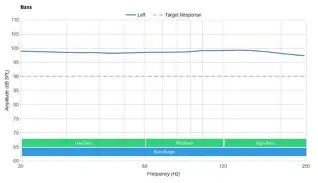
Sound is the most personal attribute. Buyers typically care about bass impact, vocal clarity, treble detail, soundstage width, and whether the tuning suits preferred genres. The Em12, like many value-focused models, often prioritizes mid-bass presence to appeal to mainstream listeners. That tuning can deliver satisfying impact for pop and hip-hop but may obscure detail in classical or acoustic music.
What to expect in practice: strong initial punch, warm mids, and potentially rolled-off highs. For critical listeners, codec support (SBC, AAC, aptX, LDAC) and the presence of an equalizer in a companion app matter because they allow tailoring of the sound. If the Em12 lacks an app or advanced codecs, expect limited ability to refine the sound.
Battery Life and Charging
Battery life is a frequent purchase driver. Typical marketing figures combine earbud runtime with charging case capacity; real-world performance is almost always lower because everyday volume levels and active features (ANC, game modes) increase power draw.
Practical advice: treat manufacturer-run figures as optimistic. Look at single-charge playback at moderate volume and whether the case supports fast charge or wireless charging. Also check the case battery indicator design—LEDs or an app-readout affect how easily the user can monitor remaining charge.
Shop the latest Audio & Headphones picks on Amazon.
View Offers →Connectivity, Pairing, and Latency
Stable Bluetooth pairing and low latency are essential. Consumers using earphones for video streaming or gaming will notice lip-sync issues if latency is high; frequent travellers and commuters prioritize stable reconnection across devices.
Key considerations: Bluetooth version (higher versions like 5.x provide better range and efficiency), support for multipoint pairing, and a dedicated low-latency or game mode. If Em12 lacks multipoint, users who switch frequently between phone and laptop will find switching tedious.
Active Noise Cancellation (ANC) and Transparency
ANC quality varies dramatically across brands and price tiers. Effective ANC must suppress low-frequency engine noise without introducing unpleasant artifacts or losing vocal clarity. Transparency or ambient modes should let in enough sound for safety and conversation without adding hiss.
For the Em12, if ANC is offered, buyers should evaluate it on public transit and in office environments. Notice whether the ANC causes pressure sensations and whether the transparency mode reproduces natural environmental sound.
Call Quality and Microphones
Call performance is vital for remote workers or anyone who makes frequent phone calls. Microphone quality depends on mic count, placement, and noise cancellation algorithms. Wind rejection is equally important for outdoor calls.
Real-world test: make a call in three conditions—quiet room, busy café, and windy outdoor setting. Pay attention to the other party’s perception of voice clarity and background noise. If the Em12 struggles outdoors or with multiple voices in the background, it may not be the best choice for heavy phone users.
Controls, App Support, and Extras
Intuitive controls and a responsive companion app enhance long-term satisfaction. Evaluate whether touch or physical controls are reliable, whether accidental touches are frequent, and whether the app provides EQ presets, firmware updates, and device settings (ANC tuning, find-my-buds, multipoint).
Buyers who want personal tuning will value a robust app with an equalizer; those who prefer a set-and-forget approach may prioritize reliable hardware controls over app complexity.
Durability, Warranty, and Support
Durability is both material and support-based. A good warranty and responsive customer service can compensate for minor shortcomings. Check warranty length, what it covers (battery vs. physical damage), and whether spare ear tips or case replacements are available.
Shop the latest Audio & Headphones picks on Amazon.
Browse Now →If Em12 is sold through multiple retailers or under regional variants, verify warranty terms for the buyer’s country—some models have different coverage depending on distributor.
Pros & Cons
- Pros
- Often positioned at an attractive price point for mainstream listeners
- Likely to deliver satisfying bass-forward sound for casual listening
- Compact case and portable form factor suitable for commuters
- May include common features such as touch controls and basic transparency mode
- Cons
- Sound tuning may favor mainstream listeners and mask detail for audiophiles
- ANC performance, if present, may not match higher-tier competitors
- Companion app and codec support can be limited in budget models
- Real-world battery life and latency can fall short of manufacturer claims
Comparison Table: Em12 vs Typical Budget and Midrange TWS
| Feature | Em12 (typical) | Budget Alternatives | Midrange Competitors |
|---|---|---|---|
| Sound Signature | Warm, bass-emphasized | Bassy or thin depending on brand | Balanced or tunable with app |
| Active Noise Cancellation | Basic / entry-level (if included) | Rare or ineffective | Often effective with adaptive modes |
| Battery | Moderate; case extends playback but real-world varies | Shorter runtimes | Longer runtimes, fast charge |
| Connectivity | Bluetooth 5.x likely; limited codecs | Older Bluetooth versions | Advanced codecs, multipoint |
| Call Quality | Acceptable in quiet environments | Variable; often poor outdoors | Better mics and wind suppression |
| Durability | Decent for daily use; check IP rating | Often lower | Better materials and warranties |
| Price Tier | Value / budget-friendly | Lowest-cost | Mid to premium |
| Best For | Casual listening, commuting | Casual listeners on tight budgets | Audiophiles, commuters needing strong ANC |
Real-World Use Cases: How the Em12 Performs
Commuting and Public Transit
For daily commuters, two features matter most: isolation/ANC and battery life. The Em12’s passive seal plus entry-level ANC (if present) will reduce bus and subway rumble but may not fully remove low-frequency hum. For multi-hour commutes, confirm case capacity through realistic usage or user reports rather than marketing copy.
Work-from-Home and Meetings
Clarity of voice and microphone noise handling define productivity in remote work. The Em12 typically performs well in quiet rooms; however, in households with background noise (appliances, children, pets), dedicated beamforming microphones and strong environmental noise suppression—features more common in higher-tier models—make a tangible difference.
Exercise and Outdoor Use
Stability, sweat resistance, and wind noise rejection are crucial. If the Em12 lacks an IP rating above IPX4, caveat emptor for sweaty training sessions. Outdoor runners should prioritize mic design and wind suppression to avoid garbled calls.
Gaming and Video
Latency becomes the limiting factor. Unless Em12 advertises a specific low-latency or game mode, readers should expect some audio lag in fast-paced games. For casual mobile games or streaming video where a small delay is tolerable, the Em12 may be fine; for competitive gaming, seek models with proven sub-60ms latency.
Buying Guide: What to Confirm Before Buying the Em12
Buying wireless earphones without a hands-on trial is risky. Use this checklist when evaluating the Em12 listing or a retail demo:
- Sound priorities: Decide if genre preference demands deep bass or balanced fidelity. Look for codec support and EQ options if adjustments are needed.
- Fit and tips: Verify included ear tip sizes and availability of stabilizers. If possible, test the fit in store or confirm return policy.
- Battery and charging: Ask whether the quoted battery life is single-earbud only or combined with case cycles. Confirm charging type (USB-C preferred) and fast-charge features.
- ANC and transparency: Determine whether ANC is active and adjustable. Read user feedback on real-world performance in transit and office noise.
- Call performance: Seek real-world call samples or user reports covering indoor and outdoor calls.
- Connectivity features: Look for Bluetooth version, multipoint support, and low-latency/game modes if needed for streaming or gaming.
- Durability and IP rating: For fitness users, confirm sweat and water resistance level and whether the warranty covers moisture-related failures.
- App and updates: A companion app that receives regular firmware updates extends the life and performance of earphones.
- Return policy and warranty: Favor sellers with a flexible return window and transparent warranty; TWS fit and comfort can only be judged in person.
How to Test an Em12 Pair in Store or After Delivery
- Play familiar tracks across genres (acoustic, orchestral, EDM) to judge frequency response and detail.
- Test voice calls with a second phone or ask a friend to report voice clarity, especially in noisy settings.
- Check latency with a short video clip; look for lip-sync delay.
- Try ANC and transparency in a busy environment—bus, café, or street—and note any pressure sensation or hissing.
- Wear for at least 30–60 minutes to assess comfort over prolonged sessions.
- Perform a light workout or jog to test fit and sweat resistance.
Value Assessment and Who Should Buy the Em12
The Em12 is likely a value-focused offering that targets casual listeners who want a competent all-around TWS for commuting, casual music listening, and occasional calls. It has appeal where price is a stronger constraint than top-tier ANC or audiophile-grade sound. Buyers who prioritize excellent mic performance for outdoor calls, advanced ANC, or audiophile tuning should consider spending more or comparing midrange alternatives with proven feature sets.
Conclusion
The Em12 Wireless Earphone can represent a sensible choice for budget-conscious consumers seeking a compact, everyday pair of true wireless earphones. However, the decision should be based on realistic expectations: entry-level ANC (if present) will not match premium models, manufacturer battery claims often exceed everyday results, and fit/comfort varies significantly between listeners. Before purchasing, prospective buyers are encouraged to verify codec and app support, test fit and call performance, and confirm warranty and return terms. By aligning the Em12’s likely strengths—portability and mainstream-friendly tuning—with the buyer’s own priorities and use cases, it’s possible to determine whether this pair truly meets needs or whether a different model would be a better long-term investment.